
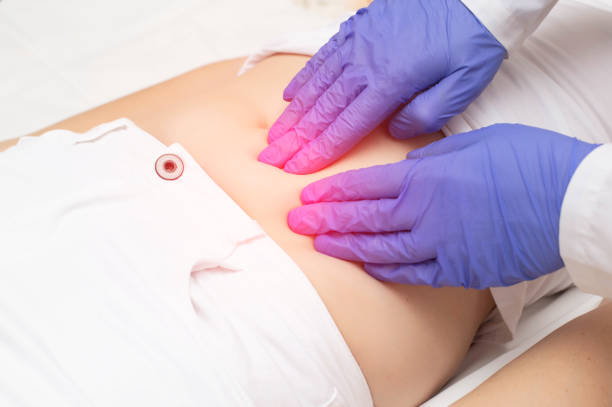
Recovery from endometriosis surgery can vary widely depending on the type of procedure performed, the severity of the condition, and an individual’s overall health. Understanding what to expect during recovery can help patients manage their symptoms, adhere to post-operative care instructions, and achieve better outcomes.
Recovery Timeframes for Different Procedures
The type of endometriosis surgery you undergo plays a significant role in determining recovery time.
- Recovery Time: 2–4 weeks
- Commonly used for diagnosing and treating mild to moderate cases of endometriosis. This procedure involves small incisions through which a camera and surgical tools are inserted.
- Most patients experience mild discomfort for several days following surgery, including bloating or soreness around incision sites.
- Recovery Time: 6–8 weeks
- Used for more severe cases or situations where extensive tissue removal is required.
- Due to the larger incision, this procedure requires a longer hospital stay (typically 3–4 days) and an extended recovery period at home.
- Recovery Time: Up to 8 weeks or longer depending on whether it is performed laparoscopically, abdominally, or vaginally.
- A hysterectomy may be recommended in cases where other treatments have failed and symptoms severely impact quality of life. If ovaries are removed (oophorectomy), hormonal changes may also affect recovery.
What to Expect Post-Surgery
- Pain Management:
Post-surgical pain is normal but typically manageable with prescription medications or over-the-counter pain relievers like ibuprofen or acetaminophen. - Fatigue:
Many patients report feeling tired in the days or weeks following surgery due to anesthetic effects and physical healing demands. - Incision Care:
Proper wound care is vital for preventing infection at incision sites: - Keep incisions clean and dry.
- Avoid submerging in water (e. g. , baths) until cleared by your doctor.
- Watch for signs of infection such as redness, swelling, or discharge.
- Activity Restrictions:
Patients should avoid heavy lifting, intense exercise, or activities that strain abdominal muscles until they’ve fully recovered.
Table: Expected Milestones During Recovery
| Week After Surgery | Physical Changes/Expectations | Recommendations |
| Week 1 | Mild pain, fatigue; possible bloating | Rest frequently; take short walks as tolerated |
| Weeks 2–3 | Gradual improvement in energy levels | Resume light daily activities |
| Week 4 | Laparoscopic patients may return to work | Still avoid heavy lifting |
| Weeks 6–8 | Full recovery for laparotomy/hysterectomy patients | Slowly reintroduce regular routines |
Factors That Impact Recovery Time
- Extent of Endometriosis: Severe cases requiring extensive tissue removal often lead to longer recovery times.
- Age and Overall Health: Younger individuals or those with fewer preexisting conditions may heal more quickly.
- Post-Surgery Complications: Issues such as infections, bleeding, or adhesions could prolong healing.
By understanding these variables and adhering closely to medical advice during post-operative care, individuals can improve their chances of a smoother recovery process while managing expectations effectively.
Understanding Washington Endometriosis: Types of Surgery and Recovery Times Explained
Endometriosis surgery is often recommended when symptoms significantly impact a patient’s quality of life or when other treatments, such as medications, fail to provide relief. There are different types of surgeries available, and understanding them along with their respective recovery timelines can help patients make informed decisions. Below is an overview of commonly performed endometriosis surgeries and their recovery times.
Finding the Right Endometriosis Doctor in Washington DC for Surgery
- Description: Laparoscopy is the most common procedure to diagnose and treat endometriosis. It involves making small incisions in the abdomen through which a camera and surgical instruments are inserted. Surgeons remove or destroy endometrial tissue growing outside the uterus.
- Short-term: Patients are typically discharged the same day or after an overnight hospital stay. Most individuals can resume light activities within 3-5 days.
- Full Recovery: Healing generally takes 2-4 weeks, although some may experience mild fatigue or discomfort beyond this period.
- Description: Unlike laparoscopy, this procedure requires a larger abdominal incision to access and remove severe endometrial growths or adhesions that cannot be treated otherwise.
- Short-term: Hospitalization for 1-3 days may be required post-surgery.
- Full Recovery: Recovery is longer, typically spanning 6-8 weeks, as the larger incision needs more time to heal.
- Description: A hysterectomy may be performed in cases where endometriosis severely affects the uterus or when conservative treatments have failed. Depending on individual cases, it may include removal of ovaries (oophorectomy) and/or fallopian tubes (salpingectomy). It is often considered a last resort for managing symptoms.
- Recovery Time:
- Hospitalization may last between 2-5 days after surgery.
- Full recovery takes about 6-8 weeks; however, some women might experience long-term lifestyle adjustments due to hormonal changes if ovaries are removed.
Recovery Insights from an Endometriosis Expert in Washington DC
- The extent of endometrial tissue removed
- The patient’s overall health prior to surgery
- Whether minimally invasive techniques were used
- Adherence to post-operative care instructions
Comprehensive Summary Table for Endometriosis Center Washington DC
| Type of Surgery | Procedure Description | Short-Term Recovery | Full Recovery Duration |
| Laparoscopy | Minimally invasive removal/repair | 3–5 days | 2–4 weeks |
| Laparotomy | Open surgery for severe cases | 1–3 days hospital stay | 6–8 weeks |
| Hysterectomy | Removal of uterus (+/- ovaries & fallopian tubes) | 2–5 days hospital stay | 6–8 weeks |
Tips for Managing Post-Surgical Healing
- Follow your doctor’s guidelines regarding physical activity restrictions.
- Avoid heavy lifting for at least six weeks if undergoing open surgery.
- Manage pain responsibly using prescribed medication or over-the-counter options as directed by your physician.
- Eat a balanced diet rich in nutrients that support healing, such as lean proteins, fruits, vegetables, and whole grains.
- Stay hydrated but avoid caffeine or alcohol during early recovery stages.
Patients should remain attentive to potential post-surgical complications like excessive bleeding, infection at incision sites, or persistent pain that does not improve over time. If any unusual symptoms occur during recovery, seeking prompt medical attention is essential.
When to See an Endometriosis Specialist in Washington DC for Surgery
While many individuals manage endometriosis with medication or lifestyle changes, surgery may become necessary in certain cases. Understanding who might need endometriosis surgery and when it is warranted can help patients make informed decisions about their treatment options.
Indicators That Surgery May Be Needed
Surgery for endometriosis is not always the first line of treatment.
- Severe Pain: If pain caused by endometriosis significantly impacts daily life and does not respond to medications such as hormonal therapy or over-the-counter pain relievers, surgery may be considered.
- Infertility: Some individuals struggling with infertility due to endometriosis-related damage to reproductive organs may require surgery to remove adhesions or improve ovarian function.
- Large Endometriomas (Ovarian Cysts): Endometriomas are cysts that form on the ovaries as a result of endometrial-like tissue growth. Large or persistent cysts that cause discomfort might necessitate removal through surgery.
- Bowel or Bladder Dysfunction: In cases where endometrial tissue invades the bowel, bladder, or ureters, causing obstruction or significant symptoms such as painful urination or difficulty passing stool, surgical intervention may be required.
- Uncertain Diagnosis: When imaging studies do not provide clear confirmation of an endometriosis diagnosis but symptoms strongly suggest its presence, diagnostic laparoscopy might be performed. This procedure identifies and potentially treats lesions simultaneously.
Types of Patients Who May Require Surgery
Different factors determine whether someone may benefit from surgical intervention for endometriosis.
| Patient Factor | Surgical Indication |
| Failed non-surgical treatments | Pain persists despite medical management |
| Desire for fertility restoration | Presence of infertility linked to endometrial lesions |
| Severe organ involvement | Bowel/bladder dysfunction due to adhesions |
| Poor quality of life | Daily activities severely impacted by symptoms |
Timing Considerations for Surgery
- Early-stage Cases: Minimally invasive procedures like laparoscopy can be performed in early stages to prevent disease progression if conservative measures fail.
- Advanced Endometriosis: For patients with extensive adhesions or organ involvement (e. g. , bowel blockage), surgical treatment may be more urgent.
- Reproductive Planning: Those seeking pregnancy might prioritize surgery earlier than others depending on age and reproductive goals.
Risks vs Benefits Assessment
Though beneficial in many cases, surgery is not without risks such as infection, scarring, and recurrence of symptoms over time. Therefore, it’s crucial for patients to discuss thoroughly with their healthcare provider about whether surgery aligns with their personal health objectives.

How Successful is Endometriosis Surgery in Treating Symptoms
Endometriosis surgery is often considered when other treatment methods, such as medications or hormone therapy, fail to manage symptoms effectively. The success of these procedures largely depends on factors such as the stage of endometriosis, the type of surgery performed, and individual patient characteristics. Below is a detailed overview of how success is measured and what patients can expect following surgery.
Goals of Endometriosis Surgery
The primary objectives of endometriosis surgery include:
– Symptom Relief: Reducing or eliminating chronic pelvic pain, menstrual pain, and pain during intercourse.
– Fertility Improvement: Enhancing the likelihood of conception in individuals who experience infertility due to endometriosis.
– Disease Management: Removing lesions, adhesions, and scar tissue caused by endometrial-like tissue growing outside the uterus.
Factors Influencing Surgical Success
Several elements can play a role in determining how successful endometriosis surgery will be for symptom management:
1.Extent and Location of Endometrial Lesions: – Superficial lesions may respond better to surgical removal than deep infiltrating lesions. – In cases where lesions affect vital organs (e. g. , bowel or bladder), outcomes may vary depending on surgical expertise. 2.Surgical Technique: – Laparoscopy: Minimally invasive and commonly used for diagnosis and lesion removal; associated with faster recovery times.Laparotomy: Used for severe cases but involves larger incisions and longer recovery periods. 3.Surgeon’s Expertise: – Specialists trained in advanced laparoscopic techniques for endometriosis may produce better outcomes with fewer complications. 4.Stage of Endometriosis: – Early-stage (I or II): Higher likelihood of complete symptom relief. – Advanced stage (III or IV): May require more extensive procedures with variable results.
Success Rates Based on Symptoms
| Symptom | Reported Success Rate | Notes |
| Chronic Pelvic Pain | 60-80% | Pain relief often sustained but may recur over time. |
| Pain During Intercourse | 50-75% | Improvements depend on lesion location and severity. |
| Menstrual Pain | 70-90% | Significant reduction observed after lesion excision. |
| Infertility | 30-50% | Improved pregnancy rates post-surgery; outcomes vary by individual case. |
Long-Term Effectiveness
While many patients experience significant symptom relief following surgery, recurrence remains a concern for some individuals:
– Studies show that about 20-40% of patients may experience symptom recurrence within five years after surgery, particularly if all lesions could not be completely excised or if hormonal management was not pursued post-surgery.
– Combining surgical intervention with ongoing medical therapies (e. g. , hormonal treatments) may help reduce recurrence rates.
Weighing Risks vs Benefits
Surgical intervention can provide substantial benefits to those suffering from moderate-to-severe cases of endometriosis; however, it also carries risks such as infection, organ damage, or adhesion formation from scarring post-surgery.
By maintaining realistic expectations and consulting with an experienced specialist, patients can better understand whether endometriosis surgery aligns with their treatment goals while minimizing risks related to recurrence or complications over time.
Post-Surgery Tips for Ensuring a Smooth Recovery from Endometriosis Procedures
Recovering from endometriosis surgery can take time, but with proper care and attention, you can support the healing process effectively. Below are some essential tips that can help ensure a smooth recovery after undergoing an endometriosis procedure.
Follow Your Surgeon’s Instructions
One of the most critical aspects of recovery is strictly adhering to the post-operative guidelines provided by your surgeon.
- Wound care: Keep the surgical site clean and dry as per advice.
- Physical activity restrictions: Avoid heavy lifting, strenuous exercise, or bending for a specific period.
- Medication adherence: Take prescribed pain medications or antibiotics as directed to prevent complications such as infection.
Understanding and following these instructions are vital to minimizing risks during recovery.
Manage Pain and Discomfort
- Prescription pain medication: Use any prescribed medications responsibly to alleviate discomfort.
- Over-the-counter options: Nonsteroidal anti-inflammatory drugs (NSAIDs) like ibuprofen may help reduce inflammation and pain under medical advice.
- Heat therapy: A heating pad applied gently to the abdomen can provide relief from cramping or muscle aches.
If pain persists beyond what is expected or worsens unexpectedly, consult your healthcare provider promptly.
Maintain a Healthy Diet
A nutrient-dense diet aids healing by supporting tissue repair and boosting immunity.
| Food Group | Examples |
| Protein-rich foods | Lean meats, eggs, tofu, lentils |
| Fruits and vegetables | Leafy greens, berries, citrus fruits |
| Whole grains | Brown rice, quinoa, whole-grain bread |
| Healthy fats | Avocado, nuts, seeds |
Stay hydrated by drinking plenty of water throughout the day. Avoid processed foods or those that may cause bloating during initial recovery stages.
Gradually Resume Physical Activity
While rest is crucial after surgery, movement aids circulation and prevents complications like blood clots. Begin with light activities such as short walks as soon as your doctor approves them. Avoid intense workouts until cleared by your medical team.
Address Emotional Well-being
Recovery doesn’t only involve physical healing; emotional health matters too. Some people feel frustration or sadness during this period due to limitations on daily routines.
- Seeking support from family or friends.
- Joining online or in-person endometriosis support groups.
- Practicing relaxation techniques such as meditation or deep breathing exercises.
Monitor for Signs of Complications
Be vigilant about recognizing potential post-surgical complications.
- Excessive bleeding at the surgical site.
- Increasing abdominal pain not relieved by medication.
- Fever higher than 100°F (37. 8°C), which could indicate an infection.
- Persistent nausea or vomiting preventing adequate hydration/eating.
Early detection of complications ensures timely intervention if needed.
Recovery from endometriosis surgery varies depending on factors like the type of procedure performed and individual circumstances. By prioritizing self-care and staying attentive to changes in symptoms during recovery, you can optimize healing outcomes while reducing discomfort levels over time.
What Are the Common Causes of Pain During Sex and How They Relate to Endometriosis
Pain during sex, also known as dyspareunia, is a common symptom experienced by individuals with endometriosis. To understand this issue, it is essential to explore its causes and how they are influenced by endometriosis.
Common Causes of Pain During Sex
- During sexual activity, deep penetration can disturb or stretch these implants and surrounding scar tissue, leading to sharp or persistent pain.
- Endometrial implants release substances that trigger inflammation in surrounding tissues. This inflammation increases sensitivity in affected areas, causing discomfort during sexual intercourse.
- Adhesions are bands of fibrous tissue that form when endometrial tissues heal improperly after being irritated by implants or surgery.
- Tight pelvic floor muscles may contribute to painful sensations during penetration.
- Contact with these cysts during sex can be extremely painful.
- Hormones such as estrogen influence both menstrual cycles and the symptoms of endometriosis. Fluctuations in hormone levels may exacerbate sensitivity and irritation in affected tissues during certain times of the cycle.
How Endometriosis Contributes to Pain During Sex
| Factor | Impact on Sexual Health |
| Deep Infiltrating Lesions | May cause deep pain during thrusting due to nerve involvement |
| Chronic Inflammation | Heightens sensitivity across pelvic tissues |
| Nerve Damage | Long-term irritation may lead to nerve-related discomfort |
| Emotional Impact | Anxiety about potential pain can reduce arousal and lubrication |
Individuals with endometriosis often experience a combination of physical and psychological factors contributing to painful intercourse, making it a complex issue requiring comprehensive care.
Strategies for Managing Dyspareunia Related to Endometriosis
- Consult Healthcare Professionals:Seek advice from gynecologists or pelvic pain specialists who are experienced with treating individuals diagnosed with endometriosis.
- Pain Management:Over-the-counter medications like NSAIDs (e. g. , ibuprofen) may help reduce inflammation before engaging in sexual activity.
- Pelvic Floor Therapy:Working with a physical therapist specializing in pelvic health can alleviate muscle tension contributing to discomfort.
- Experimenting With Positions:Opting for positions that allow greater control over depth and angle of penetration may reduce pressure on sensitive areas.
- Lubricants:Using water-based lubricants can minimize friction during intercourse if dryness occurs due to hormonal imbalances linked with treatments like hormonal therapy.
- Counseling Services:Exploring therapy options focused on managing anxiety related to sexual pain may also improve intimacy experiences.
By understanding how endometriosis contributes to dyspareunia and exploring targeted solutions, individuals can take steps toward managing this challenging symptom effectively while improving their overall well-being.
When to Seek Medical Attention for Symptoms or Complications of Endometriosis
Endometriosis is a chronic and often debilitating condition that can significantly impact physical and emotional well-being. While some symptoms may be manageable with prescribed treatments, there are situations when professional medical intervention becomes crucial. Recognizing the right time to seek medical attention can prevent complications and ensure better outcomes.
Symptoms That Indicate an Immediate Need for Medical Attention
Certain symptoms of endometriosis should not be ignored, as they may signal complications or worsening of the condition.
- Severe Pelvic Pain:Sudden, debilitating pelvic pain that does not subside with over-the-counter medications could indicate complications such as ovarian cyst rupture or severe disease progression.
- Irregular or Heavy Menstrual Bleeding:While heavy bleeding can be common with endometriosis, extremely heavy periods (menorrhagia) requiring frequent tampon or pad changes should be evaluated by a doctor.
- Painful Bowel Movements or Urination:If you have persistent pain during bowel movements or urination—especially if accompanied by blood—it may indicate deep infiltrating endometriosis affecting surrounding organs.
- Unexplained Fatigue:Prolonged exhaustion unrelated to activity levels might suggest anemia from chronic blood loss due to heavy periods, requiring immediate care.
- Infertility Issues:Difficulty conceiving after trying for an extended period may warrant testing for severe endometrial growth affecting reproductive organs.
Signs of Post-Surgery Complications
For those who have undergone surgery for endometriosis (e. g.
| Symptom | Possible Cause |
| High fever | Potential infection at the surgical site |
| Persistent nausea/vomiting | Reaction to anesthesia or bowel obstruction |
| Severe abdominal swelling | Internal bleeding or other surgical complications |
| Intense pain unrelieved by medication | Potential adhesions or organ injury |
Delayed treatment in such cases could lead to severe health risks.
Recurrent or Worsening Symptoms
Even if you have been managing your condition, consistent worsening of symptoms may signify disease progression.
– Increasing pelvic pain over time
– Pain starting after previously symptom-free intervals
– Changes in menstrual patterns (e. g. , shorter cycles).
Seeking early medical intervention allows for timely assessment through imaging tests like ultrasounds, MRIs, or diagnostic laparoscopy.
Emotional and Mental Health Concerns
Chronic pain associated with endometriosis often leads to depression, anxiety, and difficulty coping with everyday life. If feelings of hopelessness persist, mental health support through counseling or therapy should be sought in conjunction with your gynecologist’s care plan.
By recognizing these signs and seeking timely medical attention when necessary, individuals living with endometriosis can minimize complications while optimizing their quality of life.
- Understanding How Washington Endometriosis Specialists Perform Excision Surgery
- How an Endometriosis Specialist Washington DC Can Address Pelvic Floor Muscle Issues
- What to Expect and Recovering from Endometriosis Surgery in Washington DC
- Endometriosis Specialist Washington DC: Laser Ablation vs. Excision
- Excision vs Ablation: Understanding the Key Differences for Treating Washington Endometriosis
- Expert Endometriosis Doctor in Washington DC: Laparoscopy, Recovery, Risks, and More