How an Endometriosis Specialist Washington DC Can Address Pelvic Floor Muscle Issues
 Tracy Gathers
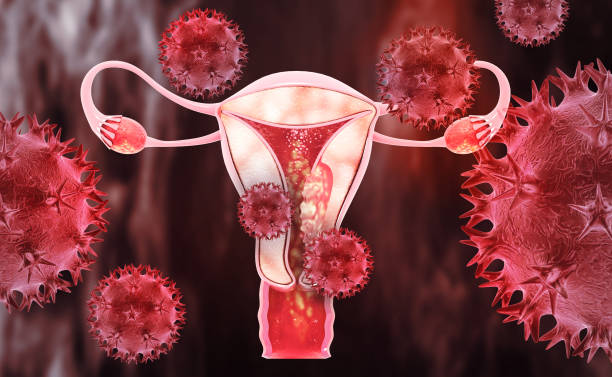
Endometriosis is a chronic condition where tissue similar to the lining of the uterus grows outside it, often causing inflammation, pain, and scarring. While its effects are widely associated with reproductive organs, the interplay between endometriosis and pelvic floor dysfunction plays a crucial role in how symptoms manifest and affect quality of life.
The Pelvic Floor: A Brief Overview
The pelvic floor is a group of muscles, ligaments, and connective tissues that support critical organs like the bladder, bowel, and uterus. These muscles are vital for functions such as urination, bowel movements, sexual activity, and maintaining upright posture.
When these muscles are in a state of dysfunction—whether due to tightness or weakness—it can lead to numerous symptoms including:
– Chronic pelvic pain
– Painful intercourse (dyspareunia)
– Urinary frequency or urgency
– Difficulty with bowel movements
How Endometriosis Impacts the Pelvic Floor
- Chronic Pain Feedback Loop: Constant pelvic pain from endometriosis can cause protective tightening or guarding of pelvic floor muscles over time. This sustained contraction leads to muscle tension and further exacerbates discomfort.
- Inflammation and Nerve Sensitivity: Inflammation from endometrial implants can irritate nerves in the pelvis, increasing sensitivity and triggering overactivity in pelvic floor muscles.
- Surgical Scarring: Repeated surgeries for endometriosis can result in scar tissue formation that compromises normal muscle function or mobility within the pelvis.
Signs Your Pelvic Floor Might Be Affected by Endometriosis
| Symptom | Possible Cause |
| Pain sitting for long periods | Tension within deep pelvic floor muscles |
| Constipation or incomplete bowel emptying | Overactive or tight anal sphincter |
| Painful penetration during intercourse | Hypertonic (tight) vaginal musculature |
| Feeling of pressure in lower pelvis | Weakness or instability in muscle support |
Why Addressing Pelvic Floor Dysfunction Is Essential
Ignoring pelvic floor dysfunction might not only exacerbate existing symptoms but could also limit recovery from other treatments like surgery or medication for managing endometriosis itself. Proactively addressing these issues via targeted interventions such as physiotherapy can significantly improve physical function alongside overall quality of life.
By understanding this intricate link between endometriosis and your pelvic floor health—and seeking appropriate care—the complex layers of this condition can be managed more effectively for long-term relief.
Understanding Pelvic Floor Therapy for Washington Endometriosis: Pre- and Post-Surgery Care
Pelvic floor therapy is increasingly recognized as an essential component of care for individuals with endometriosis, particularly in managing pain, improving pelvic function, and supporting recovery both before and after surgery. This form of specialized physiotherapy addresses the tightness, dysfunction, and hypersensitivity of the pelvic floor muscles that often accompany endometriosis.
How Endometriosis Surgery in Washington DC Can Benefit Pelvic Floor Therapy
- Alleviate chronic pelvic pain caused by muscle tightness or trigger points.
- Improve bowel and bladder function by addressing dysfunction in the surrounding muscles.
- Support recovery post-surgery by reducing scar tissue formation and improving mobility in the abdominal area.
- Enhance overall quality of life by addressing sexual discomfort or painful intercourse (dyspareunia).
Pelvic Floor Therapy with an Endometriosis Doctor in Washington DC
- Reducing Muscle Tension: Chronic pain often leads to pelvic muscle guarding or spasms. Therapy can relax overactive muscles for a smoother recovery process.
- Improving Blood Flow: Manual techniques used during therapy promote circulation, which aids tissue healing after surgery.
- Optimizing Body Awareness: Therapists work on helping patients identify areas of tightness or discomfort, which can assist in post-operative recovery planning.
For individuals considering laparoscopic surgery for excision or ablation of endometrial lesions, engaging in therapy beforehand ensures that other potential sources of pelvic pain—like muscle tension—are addressed.
Pelvic Floor Therapy with an Endometriosis Expert in Washington DC
Post-operative care is equally critical in facilitating optimal healing and regaining strength after surgery for endometriosis treatment.
Goals of Post-Surgical Pelvic Floor Therapy:
- Addressing scar tissue adhesions that may form following laparoscopic procedures.
- Gradually reintroducing core stability exercises to restore strength without overloading the healing tissues.
- Managing lingering nerve-related pain or numbness from inflammation near the surgical site.
Therapists use a combination of manual release techniques along with gentle stretches tailored to each patient’s comfort level.
| Key Techniques | Purpose |
| Myofascial Release | Reduces tension within connective tissue layers affected by scars or muscular imbalances |
| Trigger Point Release | Targets areas causing referred pain across the pelvis |
| Breathing Exercises | Promotes diaphragmatic breathing to relax pressure on pelvic organs |
Lifestyle Modifications During Recovery at the Endometriosis Center Washington DC
In addition to therapy sessions, incorporating certain habits can further aid recovery:
– Adopting ergonomic sitting positions to reduce strain on the pelvis. – Using heat packs intermittently for muscle relaxation. – Staying hydrated and consuming anti-inflammatory foods like leafy greens and fatty fish.
Working closely with a qualified physiotherapist ensures an individualized approach that aligns with each patient’s unique symptoms and surgical outcomes. By integrating pre-and post-surgical care through pelvic floor therapy into an overall treatment plan, individuals living with endometriosis can experience improved physical function and reduced discomfort over time.
How Pelvic Floor Therapy Supports Recovery After Endometriosis Surgery
Pelvic floor therapy has become an essential component of recovery for individuals undergoing surgery for endometriosis. This therapy focuses on optimizing the function of the pelvic floor muscles, which are often affected by endometriosis-related pain, tension, and scarring. Post-surgical recovery can be complex, but incorporating pelvic floor therapy into a care plan can help improve long-term outcomes.
The Role of Pelvic Floor Therapy in Recovery
- Muscle relaxation: Therapy helps release hypertonic or tight pelvic floor muscles that may contribute to post-surgical discomfort.
- Scar tissue management: Techniques like manual therapy can reduce adhesions and improve tissue mobility.
- Pain reduction: Addressing trigger points and improving blood flow helps alleviate persistent pain.
- Restoration of balance: Therapists work on re-establishing coordination between the various muscle groups in the pelvis.
Benefits of Pelvic Floor Therapy Post-Surgery
- Targeted techniques ease residual nerve irritation.
- Improved blood flow supports healing in the affected areas.
- Many individuals with endometriosis also struggle with urinary frequency or painful bowel movements due to pelvic muscle dysfunction.
- Therapy retrains these systems for smoother function.
- Addressing both physical discomfort and emotional factors tied to chronic pain improves overall well-being.
- Establishing healthy muscle patterns reduces the risk of future flare-ups associated with secondary conditions like painful sex (dyspareunia) or lower back pain.
What Does a Typical Recovery Timeline Look Like?
| Time After Surgery | Focus Areas | Typical Interventions |
| 0–4 Weeks | Acute healing phase; managing swelling & discomfort | Gentle breathing exercises; education |
| 4–8 Weeks | Improving range of motion & reducing adhesions | Manual massage; gentle stretches |
| 8+ Weeks | Strengthening muscles & returning to normal activities | Core stabilization; functional exercises |
Integrating Holistic Care
- Yoga or meditation for stress reduction
- Anti-inflammatory diets
- Acupuncture for managing residual pain
By addressing both physical and emotional aspects of recovery, pelvic floor therapy offers a comprehensive approach that enables individuals with endometriosis to regain control over their bodies and lives.

What to Expect During a Pelvic Health Physiotherapy Session for Endometriosis
Pelvic floor physiotherapy is an effective approach to managing endometriosis-related symptoms, particularly chronic pelvic pain and muscular dysfunction. For individuals unfamiliar with this therapeutic process, understanding what to expect during a session can foster confidence and better prepare them for treatment.
Initial Assessment
- Patient History: The physiotherapist will ask detailed questions about your medical history, symptoms, pain levels, menstrual cycle patterns, bowel or bladder issues, and how endometriosis impacts your daily life.
- Postural Evaluation: Your posture and movement patterns may be assessed to identify muscular imbalances or compensatory behaviors stemming from chronic pain.
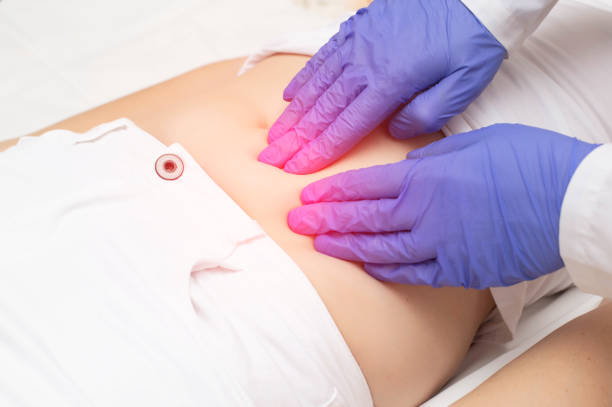
- Pelvic Floor Examination: With your consent, the therapist may conduct an internal or external pelvic floor exam to evaluate muscle tone, strength, and tenderness. This step helps pinpoint areas of dysfunction contributing to symptoms like pain or urinary issues.
Education and Goal Setting
- Outline how pelvic floor dysfunction relates to endometriosis symptoms.
- Provide education on anatomy and how specific muscles work.
- Collaboratively set short-term and long-term goals tailored to your needs (e.g., reducing pain during intercourse or improving bladder control).
Treatment Techniques During Sessions
- Internal release work targeting trigger points in the pelvic floor muscles.
- External release techniques addressing tension in surrounding areas like the abdomen, hips, or lower back.
- Diaphragmatic breathing practices aimed at relaxing the abdominal cavity and reducing tension in the pelvic region.
- Gentle stretches focusing on enhancing flexibility in tight muscles such as hip flexors or hamstrings.
- Pelvic tilts and yoga-inspired poses may also be recommended.
- Exercises that retrain proper coordination between the pelvic floor muscles and surrounding structures.
- Biofeedback Therapy (if applicable):
- Technology-assisted feedback helps patients learn how to control their pelvic floor muscles effectively.
At-Home Recommendations
- A personalized home exercise program targeting core stability or relaxation techniques.
- Recommendations for heat therapy (e.g., heating pads) or gentle massage methods for pain management.
- Lifestyle adjustments such as ergonomic tips or strategies for minimizing symptom flare-ups.
Tracking Progress
Follow-up sessions focus on gradually building strength, relieving muscular tension further, and evaluating progress toward goals. Progress is typically tracked through symptom reduction (e.g., less pain during physical activities) or functional improvements like improved bladder habits.
By demystifying what happens during a pelvic health physiotherapy session for endometriosis care, individuals can feel more informed about this integrative aspect of treatment while working toward improved quality of life.
FAQs About Pelvic Floor Therapy and Its Role in Managing Endometriosis
Pelvic floor therapy is becoming an increasingly important tool in managing endometriosis, a chronic condition characterized by the presence of endometrial-like tissue outside the uterus. Below are some frequently asked questions (FAQs) about pelvic floor therapy and how it can assist individuals living with endometriosis.
What is pelvic floor therapy?
Pelvic floor therapy focuses on improving the function and health of the pelvic muscles, ligaments, and connective tissues. It typically involves a combination of manual therapy, targeted exercises, biofeedback, and patient education to address issues such as pain, tension, or dysfunction in the pelvic region. For individuals with endometriosis, this therapy can help alleviate secondary symptoms caused by pelvic muscle dysfunction.
Why is pelvic floor dysfunction common in people with endometriosis?
- Pain during intercourse (dyspareunia)
- Chronic pelvic pain
- Painful bowel movements
- Difficulty emptying the bladder or frequent urination
Pelvic floor therapy specifically addresses these issues by helping relax tense muscles and improve coordination within the pelvis.
How does pelvic floor therapy help manage symptoms of endometriosis?
- Manual Therapy: Hands-on techniques to release trigger points or adhesions within soft tissues.
- Stretches & Exercises: Targeted movements designed to relax tight muscles while strengthening weak areas for better support.
- Education: Guidance on posture alignment, breathing techniques, and lifestyle changes that benefit pelvic health.
- Biofeedback Technology: Real-time monitoring of muscle activity to teach patients how to contract or relax specific muscles effectively.
These approaches aim not only to reduce pain but also restore balance within the entire musculoskeletal system.
Can it be used as a stand-alone treatment for endometriosis?
- It is often used alongside other treatments such as medication (e.g., hormonal therapies) or surgery (e.g., laparoscopic excision).
- A multidisciplinary approach combining medical interventions with physical therapies tends to yield better outcomes for many patients.
| Aspect | Pelvic Floor Therapy Focus | Other Treatments Focus |
| Pain Management | Relaxing tense muscles | Reducing inflammation |
| Improving Functionality | Strengthening coordination/mobility | Removing lesions/abnormal tissue |
| Symptom Relief | Addressing secondary muscular issues | Hormonal/surgical targeting |
How long does treatment take before seeing results?
- Many patients report improvements after 6–8 sessions when combined with consistent at-home exercises prescribed by their therapist.
- Commitment over weeks/months allows for sustainable progress rather than short-term relief.
Is there anything I should prepare before my first session?
Yes—patients may find it helpful if they come prepared with details about their medical history (including prior surgeries), current medications/treatments being used related specifically toward managing conditions affecting “pelvic” well-being directly connected alongside diagnosis patterns previously diagnosed professionally via specialists working closely monitoring situations accordingly ensuring transparency throughout whole journey phases involved collaboratively moving forward effectively
Why Lived Experience Matters in Endometriosis Care: Stories That Inspire Global Awareness
Endometriosis is a complex, chronic condition that affects millions of people worldwide. Despite its prevalence, it remains underdiagnosed and misunderstood, partly because the symptoms can vary widely from person to person. This gap in understanding highlights the immense value of lived experiences in shaping awareness, improving patient care, and driving meaningful change in the field of endometriosis.
The Role of Lived Experience in Understanding Endometriosis
- The diversity of symptoms: Pain levels, infertility challenges, fatigue, and gastrointestinal issues may differ significantly between patients. Real-life accounts provide context to these variations.
- The emotional toll: Beyond physical discomfort, individuals describe the psychological effects of dealing with a misunderstood illness—ranging from feelings of isolation to anxiety and depression.
- Barriers to care: Many share stories of delayed diagnoses or being dismissed by healthcare providers due to a lack of awareness about endometriosis’ complexity.
These narratives not only validate others’ experiences but also serve as critical learning tools for clinicians and researchers aiming to approach care holistically.
Amplifying Voices Through Advocacy
- Educating the public: Personal accounts often reach larger audiences through blogs, social media platforms, podcasts, or interviews. These stories make complex medical concepts relatable and accessible.
- Driving policy changes: Patient testimonies have been instrumental in pushing for legislative changes that improve access to diagnostics and treatment options.
- Improving research funding: Highlighting the widespread impact of endometriosis increases demand for focused research into better therapies.
- Building community support: Shared experiences foster solidarity among those living with endometriosis while reducing stigma associated with discussing reproductive health issues.
Examples of Storytelling Impact
| Initiative | Goal | Successes |
| World Endometriosis Awareness Month | Encourage open conversations globally | Increased media coverage; more public events |
| #EndoWarrior (Social Media) | Share personal journeys | Built supportive online communities |
| Documentary Films | Highlight individual struggles | Garnered empathy from diverse audiences |
Bridging Gaps Through Support Networks
- Online forums for sharing advice on treatments or coping strategies.
- Support groups offering emotional support during difficult times.
- Educational workshops focusing on pelvic health management strategies like pelvic floor therapy.
By centering real-life experiences within broader discussions about endometriosis care and advocacy efforts alike—patients feel empowered while policymakers gain insight needed for systemic improvements globally.
- Understanding How Washington Endometriosis Specialists Perform Excision Surgery
- How an Endometriosis Specialist Washington DC Can Address Pelvic Floor Muscle Issues
- What to Expect and Recovering from Endometriosis Surgery in Washington DC
- Endometriosis Specialist Washington DC: Laser Ablation vs. Excision
- Excision vs Ablation: Understanding the Key Differences for Treating Washington Endometriosis
- Expert Endometriosis Doctor in Washington DC: Laparoscopy, Recovery, Risks, and More