 Tracy Gathers
 How an Endometriosis Specialist Washington DC Can Address Pelvic Floor Muscle Issues

Endometriosis is a chronic condition where tissue similar to the lining of the uterus grows outside it, often causing inflammation, pain, and scarring. While its effects are widely associated with reproductive organs, the interplay between endometriosis and pelvic floor dysfunction plays a crucial role in how symptoms manifest and affect quality of life.
The Pelvic Floor: A Brief Overview
The pelvic floor is a group of muscles, ligaments, and connective tissues that support critical organs like the bladder, bowel, and uterus. These muscles are vital for functions such as urination, bowel movements, sexual activity, and maintaining upright posture.
When these muscles are in a state of dysfunction—whether due to tightness or weakness—it can lead to numerous symptoms including:
– Chronic pelvic pain
– Painful intercourse (dyspareunia)
– Urinary frequency or urgency
– Difficulty with bowel movements
How Endometriosis Impacts the Pelvic Floor
- Chronic Pain Feedback Loop: Constant pelvic pain from endometriosis can cause protective tightening or guarding of pelvic floor muscles over time. This sustained contraction leads to muscle tension and further exacerbates discomfort.
- Inflammation and Nerve Sensitivity: Inflammation from endometrial implants can irritate nerves in the pelvis, increasing sensitivity and triggering overactivity in pelvic floor muscles.
- Surgical Scarring: Repeated surgeries for endometriosis can result in scar tissue formation that compromises normal muscle function or mobility within the pelvis.
Signs Your Pelvic Floor Might Be Affected by Endometriosis
| Symptom | Possible Cause |
| Pain sitting for long periods | Tension within deep pelvic floor muscles |
| Constipation or incomplete bowel emptying | Overactive or tight anal sphincter |
| Painful penetration during intercourse | Hypertonic (tight) vaginal musculature |
| Feeling of pressure in lower pelvis | Weakness or instability in muscle support |
Why Addressing Pelvic Floor Dysfunction Is Essential
Ignoring pelvic floor dysfunction might not only exacerbate existing symptoms but could also limit recovery from other treatments like surgery or medication for managing endometriosis itself. Proactively addressing these issues via targeted interventions such as physiotherapy can significantly improve physical function alongside overall quality of life.
By understanding this intricate link between endometriosis and your pelvic floor health—and seeking appropriate care—the complex layers of this condition can be managed more effectively for long-term relief.
Understanding Pelvic Floor Therapy for Washington Endometriosis: Pre- and Post-Surgery Care
Pelvic floor therapy is increasingly recognized as an essential component of care for individuals with endometriosis, particularly in managing pain, improving pelvic function, and supporting recovery both before and after surgery. This form of specialized physiotherapy addresses the tightness, dysfunction, and hypersensitivity of the pelvic floor muscles that often accompany endometriosis.
How Endometriosis Surgery in Washington DC Can Benefit Pelvic Floor Therapy
- Alleviate chronic pelvic pain caused by muscle tightness or trigger points.
- Improve bowel and bladder function by addressing dysfunction in the surrounding muscles.
- Support recovery post-surgery by reducing scar tissue formation and improving mobility in the abdominal area.
- Enhance overall quality of life by addressing sexual discomfort or painful intercourse (dyspareunia).
Pelvic Floor Therapy with an Endometriosis Doctor in Washington DC
- Reducing Muscle Tension: Chronic pain often leads to pelvic muscle guarding or spasms. Therapy can relax overactive muscles for a smoother recovery process.
- Improving Blood Flow: Manual techniques used during therapy promote circulation, which aids tissue healing after surgery.
- Optimizing Body Awareness: Therapists work on helping patients identify areas of tightness or discomfort, which can assist in post-operative recovery planning.
For individuals considering laparoscopic surgery for excision or ablation of endometrial lesions, engaging in therapy beforehand ensures that other potential sources of pelvic pain—like muscle tension—are addressed.
Pelvic Floor Therapy with an Endometriosis Expert in Washington DC
Post-operative care is equally critical in facilitating optimal healing and regaining strength after surgery for endometriosis treatment.
Goals of Post-Surgical Pelvic Floor Therapy:
- Addressing scar tissue adhesions that may form following laparoscopic procedures.
- Gradually reintroducing core stability exercises to restore strength without overloading the healing tissues.
- Managing lingering nerve-related pain or numbness from inflammation near the surgical site.
Therapists use a combination of manual release techniques along with gentle stretches tailored to each patient’s comfort level.
| Key Techniques | Purpose |
| Myofascial Release | Reduces tension within connective tissue layers affected by scars or muscular imbalances |
| Trigger Point Release | Targets areas causing referred pain across the pelvis |
| Breathing Exercises | Promotes diaphragmatic breathing to relax pressure on pelvic organs |
Lifestyle Modifications During Recovery at the Endometriosis Center Washington DC
In addition to therapy sessions, incorporating certain habits can further aid recovery:
– Adopting ergonomic sitting positions to reduce strain on the pelvis. – Using heat packs intermittently for muscle relaxation. – Staying hydrated and consuming anti-inflammatory foods like leafy greens and fatty fish.
Working closely with a qualified physiotherapist ensures an individualized approach that aligns with each patient’s unique symptoms and surgical outcomes. By integrating pre-and post-surgical care through pelvic floor therapy into an overall treatment plan, individuals living with endometriosis can experience improved physical function and reduced discomfort over time.
How Pelvic Floor Therapy Supports Recovery After Endometriosis Surgery
Pelvic floor therapy has become an essential component of recovery for individuals undergoing surgery for endometriosis. This therapy focuses on optimizing the function of the pelvic floor muscles, which are often affected by endometriosis-related pain, tension, and scarring. Post-surgical recovery can be complex, but incorporating pelvic floor therapy into a care plan can help improve long-term outcomes.
The Role of Pelvic Floor Therapy in Recovery
- Muscle relaxation: Therapy helps release hypertonic or tight pelvic floor muscles that may contribute to post-surgical discomfort.
- Scar tissue management: Techniques like manual therapy can reduce adhesions and improve tissue mobility.
- Pain reduction: Addressing trigger points and improving blood flow helps alleviate persistent pain.
- Restoration of balance: Therapists work on re-establishing coordination between the various muscle groups in the pelvis.
Benefits of Pelvic Floor Therapy Post-Surgery
- Targeted techniques ease residual nerve irritation.
- Improved blood flow supports healing in the affected areas.
- Many individuals with endometriosis also struggle with urinary frequency or painful bowel movements due to pelvic muscle dysfunction.
- Therapy retrains these systems for smoother function.
- Addressing both physical discomfort and emotional factors tied to chronic pain improves overall well-being.
- Establishing healthy muscle patterns reduces the risk of future flare-ups associated with secondary conditions like painful sex (dyspareunia) or lower back pain.
What Does a Typical Recovery Timeline Look Like?
| Time After Surgery | Focus Areas | Typical Interventions |
| 0–4 Weeks | Acute healing phase; managing swelling & discomfort | Gentle breathing exercises; education |
| 4–8 Weeks | Improving range of motion & reducing adhesions | Manual massage; gentle stretches |
| 8+ Weeks | Strengthening muscles & returning to normal activities | Core stabilization; functional exercises |
Integrating Holistic Care
- Yoga or meditation for stress reduction
- Anti-inflammatory diets
- Acupuncture for managing residual pain
By addressing both physical and emotional aspects of recovery, pelvic floor therapy offers a comprehensive approach that enables individuals with endometriosis to regain control over their bodies and lives.

What to Expect During a Pelvic Health Physiotherapy Session for Endometriosis
Pelvic floor physiotherapy is an effective approach to managing endometriosis-related symptoms, particularly chronic pelvic pain and muscular dysfunction. For individuals unfamiliar with this therapeutic process, understanding what to expect during a session can foster confidence and better prepare them for treatment.
Initial Assessment
- Patient History: The physiotherapist will ask detailed questions about your medical history, symptoms, pain levels, menstrual cycle patterns, bowel or bladder issues, and how endometriosis impacts your daily life.
- Postural Evaluation: Your posture and movement patterns may be assessed to identify muscular imbalances or compensatory behaviors stemming from chronic pain.
- Pelvic Floor Examination: With your consent, the therapist may conduct an internal or external pelvic floor exam to evaluate muscle tone, strength, and tenderness. This step helps pinpoint areas of dysfunction contributing to symptoms like pain or urinary issues.
Education and Goal Setting
- Outline how pelvic floor dysfunction relates to endometriosis symptoms.
- Provide education on anatomy and how specific muscles work.
- Collaboratively set short-term and long-term goals tailored to your needs (e.g., reducing pain during intercourse or improving bladder control).
Treatment Techniques During Sessions
- Internal release work targeting trigger points in the pelvic floor muscles.
- External release techniques addressing tension in surrounding areas like the abdomen, hips, or lower back.
- Diaphragmatic breathing practices aimed at relaxing the abdominal cavity and reducing tension in the pelvic region.
- Gentle stretches focusing on enhancing flexibility in tight muscles such as hip flexors or hamstrings.
- Pelvic tilts and yoga-inspired poses may also be recommended.
- Exercises that retrain proper coordination between the pelvic floor muscles and surrounding structures.
- Biofeedback Therapy (if applicable):
- Technology-assisted feedback helps patients learn how to control their pelvic floor muscles effectively.
At-Home Recommendations
- A personalized home exercise program targeting core stability or relaxation techniques.
- Recommendations for heat therapy (e.g., heating pads) or gentle massage methods for pain management.
- Lifestyle adjustments such as ergonomic tips or strategies for minimizing symptom flare-ups.
Tracking Progress
Follow-up sessions focus on gradually building strength, relieving muscular tension further, and evaluating progress toward goals. Progress is typically tracked through symptom reduction (e.g., less pain during physical activities) or functional improvements like improved bladder habits.
By demystifying what happens during a pelvic health physiotherapy session for endometriosis care, individuals can feel more informed about this integrative aspect of treatment while working toward improved quality of life.
FAQs About Pelvic Floor Therapy and Its Role in Managing Endometriosis
Pelvic floor therapy is becoming an increasingly important tool in managing endometriosis, a chronic condition characterized by the presence of endometrial-like tissue outside the uterus. Below are some frequently asked questions (FAQs) about pelvic floor therapy and how it can assist individuals living with endometriosis.
What is pelvic floor therapy?
Pelvic floor therapy focuses on improving the function and health of the pelvic muscles, ligaments, and connective tissues. It typically involves a combination of manual therapy, targeted exercises, biofeedback, and patient education to address issues such as pain, tension, or dysfunction in the pelvic region. For individuals with endometriosis, this therapy can help alleviate secondary symptoms caused by pelvic muscle dysfunction.
Why is pelvic floor dysfunction common in people with endometriosis?
- Pain during intercourse (dyspareunia)
- Chronic pelvic pain
- Painful bowel movements
- Difficulty emptying the bladder or frequent urination
Pelvic floor therapy specifically addresses these issues by helping relax tense muscles and improve coordination within the pelvis.
How does pelvic floor therapy help manage symptoms of endometriosis?
- Manual Therapy: Hands-on techniques to release trigger points or adhesions within soft tissues.
- Stretches & Exercises: Targeted movements designed to relax tight muscles while strengthening weak areas for better support.
- Education: Guidance on posture alignment, breathing techniques, and lifestyle changes that benefit pelvic health.
- Biofeedback Technology: Real-time monitoring of muscle activity to teach patients how to contract or relax specific muscles effectively.
These approaches aim not only to reduce pain but also restore balance within the entire musculoskeletal system.
Can it be used as a stand-alone treatment for endometriosis?
- It is often used alongside other treatments such as medication (e.g., hormonal therapies) or surgery (e.g., laparoscopic excision).
- A multidisciplinary approach combining medical interventions with physical therapies tends to yield better outcomes for many patients.
| Aspect | Pelvic Floor Therapy Focus | Other Treatments Focus |
| Pain Management | Relaxing tense muscles | Reducing inflammation |
| Improving Functionality | Strengthening coordination/mobility | Removing lesions/abnormal tissue |
| Symptom Relief | Addressing secondary muscular issues | Hormonal/surgical targeting |
How long does treatment take before seeing results?
- Many patients report improvements after 6–8 sessions when combined with consistent at-home exercises prescribed by their therapist.
- Commitment over weeks/months allows for sustainable progress rather than short-term relief.
Is there anything I should prepare before my first session?
Yes—patients may find it helpful if they come prepared with details about their medical history (including prior surgeries), current medications/treatments being used related specifically toward managing conditions affecting “pelvic” well-being directly connected alongside diagnosis patterns previously diagnosed professionally via specialists working closely monitoring situations accordingly ensuring transparency throughout whole journey phases involved collaboratively moving forward effectively
Why Lived Experience Matters in Endometriosis Care: Stories That Inspire Global Awareness
Endometriosis is a complex, chronic condition that affects millions of people worldwide. Despite its prevalence, it remains underdiagnosed and misunderstood, partly because the symptoms can vary widely from person to person. This gap in understanding highlights the immense value of lived experiences in shaping awareness, improving patient care, and driving meaningful change in the field of endometriosis.
The Role of Lived Experience in Understanding Endometriosis
- The diversity of symptoms: Pain levels, infertility challenges, fatigue, and gastrointestinal issues may differ significantly between patients. Real-life accounts provide context to these variations.
- The emotional toll: Beyond physical discomfort, individuals describe the psychological effects of dealing with a misunderstood illness—ranging from feelings of isolation to anxiety and depression.
- Barriers to care: Many share stories of delayed diagnoses or being dismissed by healthcare providers due to a lack of awareness about endometriosis’ complexity.
These narratives not only validate others’ experiences but also serve as critical learning tools for clinicians and researchers aiming to approach care holistically.
Amplifying Voices Through Advocacy
- Educating the public: Personal accounts often reach larger audiences through blogs, social media platforms, podcasts, or interviews. These stories make complex medical concepts relatable and accessible.
- Driving policy changes: Patient testimonies have been instrumental in pushing for legislative changes that improve access to diagnostics and treatment options.
- Improving research funding: Highlighting the widespread impact of endometriosis increases demand for focused research into better therapies.
- Building community support: Shared experiences foster solidarity among those living with endometriosis while reducing stigma associated with discussing reproductive health issues.
Examples of Storytelling Impact
| Initiative | Goal | Successes |
| World Endometriosis Awareness Month | Encourage open conversations globally | Increased media coverage; more public events |
| #EndoWarrior (Social Media) | Share personal journeys | Built supportive online communities |
| Documentary Films | Highlight individual struggles | Garnered empathy from diverse audiences |
Bridging Gaps Through Support Networks
- Online forums for sharing advice on treatments or coping strategies.
- Support groups offering emotional support during difficult times.
- Educational workshops focusing on pelvic health management strategies like pelvic floor therapy.
By centering real-life experiences within broader discussions about endometriosis care and advocacy efforts alike—patients feel empowered while policymakers gain insight needed for systemic improvements globally.
- Understanding How Washington Endometriosis Specialists Perform Excision Surgery
- How an Endometriosis Specialist Washington DC Can Address Pelvic Floor Muscle Issues
- What to Expect and Recovering from Endometriosis Surgery in Washington DC
- Endometriosis Specialist Washington DC: Laser Ablation vs. Excision
- Excision vs Ablation: Understanding the Key Differences for Treating Washington Endometriosis
- Expert Endometriosis Doctor in Washington DC: Laparoscopy, Recovery, Risks, and More
What to Expect and Recovering from Endometriosis Surgery in Washington DC
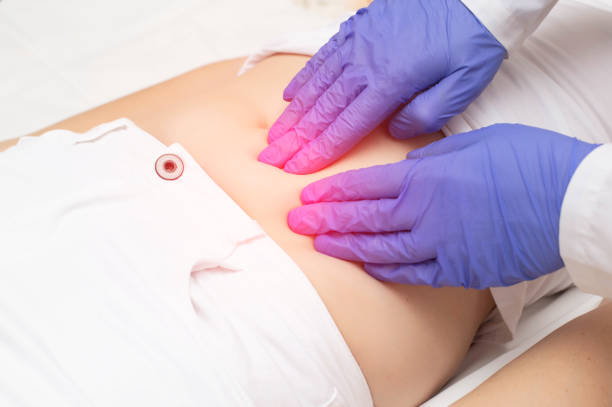
Recovery from endometriosis surgery can vary widely depending on the type of procedure performed, the severity of the condition, and an individual’s overall health. Understanding what to expect during recovery can help patients manage their symptoms, adhere to post-operative care instructions, and achieve better outcomes.
Recovery Timeframes for Different Procedures
The type of endometriosis surgery you undergo plays a significant role in determining recovery time.
- Recovery Time: 2–4 weeks
- Commonly used for diagnosing and treating mild to moderate cases of endometriosis. This procedure involves small incisions through which a camera and surgical tools are inserted.
- Most patients experience mild discomfort for several days following surgery, including bloating or soreness around incision sites.
- Recovery Time: 6–8 weeks
- Used for more severe cases or situations where extensive tissue removal is required.
- Due to the larger incision, this procedure requires a longer hospital stay (typically 3–4 days) and an extended recovery period at home.
- Recovery Time: Up to 8 weeks or longer depending on whether it is performed laparoscopically, abdominally, or vaginally.
- A hysterectomy may be recommended in cases where other treatments have failed and symptoms severely impact quality of life. If ovaries are removed (oophorectomy), hormonal changes may also affect recovery.
What to Expect Post-Surgery
- Pain Management:
Post-surgical pain is normal but typically manageable with prescription medications or over-the-counter pain relievers like ibuprofen or acetaminophen. - Fatigue:
Many patients report feeling tired in the days or weeks following surgery due to anesthetic effects and physical healing demands. - Incision Care:
Proper wound care is vital for preventing infection at incision sites: - Keep incisions clean and dry.
- Avoid submerging in water (e. g. , baths) until cleared by your doctor.
- Watch for signs of infection such as redness, swelling, or discharge.
- Activity Restrictions:
Patients should avoid heavy lifting, intense exercise, or activities that strain abdominal muscles until they’ve fully recovered.
Table: Expected Milestones During Recovery
| Week After Surgery | Physical Changes/Expectations | Recommendations |
| Week 1 | Mild pain, fatigue; possible bloating | Rest frequently; take short walks as tolerated |
| Weeks 2–3 | Gradual improvement in energy levels | Resume light daily activities |
| Week 4 | Laparoscopic patients may return to work | Still avoid heavy lifting |
| Weeks 6–8 | Full recovery for laparotomy/hysterectomy patients | Slowly reintroduce regular routines |
Factors That Impact Recovery Time
- Extent of Endometriosis: Severe cases requiring extensive tissue removal often lead to longer recovery times.
- Age and Overall Health: Younger individuals or those with fewer preexisting conditions may heal more quickly.
- Post-Surgery Complications: Issues such as infections, bleeding, or adhesions could prolong healing.
By understanding these variables and adhering closely to medical advice during post-operative care, individuals can improve their chances of a smoother recovery process while managing expectations effectively.
Understanding Washington Endometriosis: Types of Surgery and Recovery Times Explained
Endometriosis surgery is often recommended when symptoms significantly impact a patient’s quality of life or when other treatments, such as medications, fail to provide relief. There are different types of surgeries available, and understanding them along with their respective recovery timelines can help patients make informed decisions. Below is an overview of commonly performed endometriosis surgeries and their recovery times.
Finding the Right Endometriosis Doctor in Washington DC for Surgery
- Description: Laparoscopy is the most common procedure to diagnose and treat endometriosis. It involves making small incisions in the abdomen through which a camera and surgical instruments are inserted. Surgeons remove or destroy endometrial tissue growing outside the uterus.
- Short-term: Patients are typically discharged the same day or after an overnight hospital stay. Most individuals can resume light activities within 3-5 days.
- Full Recovery: Healing generally takes 2-4 weeks, although some may experience mild fatigue or discomfort beyond this period.
- Description: Unlike laparoscopy, this procedure requires a larger abdominal incision to access and remove severe endometrial growths or adhesions that cannot be treated otherwise.
- Short-term: Hospitalization for 1-3 days may be required post-surgery.
- Full Recovery: Recovery is longer, typically spanning 6-8 weeks, as the larger incision needs more time to heal.
- Description: A hysterectomy may be performed in cases where endometriosis severely affects the uterus or when conservative treatments have failed. Depending on individual cases, it may include removal of ovaries (oophorectomy) and/or fallopian tubes (salpingectomy). It is often considered a last resort for managing symptoms.
- Recovery Time:
- Hospitalization may last between 2-5 days after surgery.
- Full recovery takes about 6-8 weeks; however, some women might experience long-term lifestyle adjustments due to hormonal changes if ovaries are removed.
Recovery Insights from an Endometriosis Expert in Washington DC
- The extent of endometrial tissue removed
- The patient’s overall health prior to surgery
- Whether minimally invasive techniques were used
- Adherence to post-operative care instructions
Comprehensive Summary Table for Endometriosis Center Washington DC
| Type of Surgery | Procedure Description | Short-Term Recovery | Full Recovery Duration |
| Laparoscopy | Minimally invasive removal/repair | 3–5 days | 2–4 weeks |
| Laparotomy | Open surgery for severe cases | 1–3 days hospital stay | 6–8 weeks |
| Hysterectomy | Removal of uterus (+/- ovaries & fallopian tubes) | 2–5 days hospital stay | 6–8 weeks |
Tips for Managing Post-Surgical Healing
- Follow your doctor’s guidelines regarding physical activity restrictions.
- Avoid heavy lifting for at least six weeks if undergoing open surgery.
- Manage pain responsibly using prescribed medication or over-the-counter options as directed by your physician.
- Eat a balanced diet rich in nutrients that support healing, such as lean proteins, fruits, vegetables, and whole grains.
- Stay hydrated but avoid caffeine or alcohol during early recovery stages.
Patients should remain attentive to potential post-surgical complications like excessive bleeding, infection at incision sites, or persistent pain that does not improve over time. If any unusual symptoms occur during recovery, seeking prompt medical attention is essential.
When to See an Endometriosis Specialist in Washington DC for Surgery
While many individuals manage endometriosis with medication or lifestyle changes, surgery may become necessary in certain cases. Understanding who might need endometriosis surgery and when it is warranted can help patients make informed decisions about their treatment options.
Indicators That Surgery May Be Needed
Surgery for endometriosis is not always the first line of treatment.
- Severe Pain: If pain caused by endometriosis significantly impacts daily life and does not respond to medications such as hormonal therapy or over-the-counter pain relievers, surgery may be considered.
- Infertility: Some individuals struggling with infertility due to endometriosis-related damage to reproductive organs may require surgery to remove adhesions or improve ovarian function.
- Large Endometriomas (Ovarian Cysts): Endometriomas are cysts that form on the ovaries as a result of endometrial-like tissue growth. Large or persistent cysts that cause discomfort might necessitate removal through surgery.
- Bowel or Bladder Dysfunction: In cases where endometrial tissue invades the bowel, bladder, or ureters, causing obstruction or significant symptoms such as painful urination or difficulty passing stool, surgical intervention may be required.
- Uncertain Diagnosis: When imaging studies do not provide clear confirmation of an endometriosis diagnosis but symptoms strongly suggest its presence, diagnostic laparoscopy might be performed. This procedure identifies and potentially treats lesions simultaneously.
Types of Patients Who May Require Surgery
Different factors determine whether someone may benefit from surgical intervention for endometriosis.
| Patient Factor | Surgical Indication |
| Failed non-surgical treatments | Pain persists despite medical management |
| Desire for fertility restoration | Presence of infertility linked to endometrial lesions |
| Severe organ involvement | Bowel/bladder dysfunction due to adhesions |
| Poor quality of life | Daily activities severely impacted by symptoms |
Timing Considerations for Surgery
- Early-stage Cases: Minimally invasive procedures like laparoscopy can be performed in early stages to prevent disease progression if conservative measures fail.
- Advanced Endometriosis: For patients with extensive adhesions or organ involvement (e. g. , bowel blockage), surgical treatment may be more urgent.
- Reproductive Planning: Those seeking pregnancy might prioritize surgery earlier than others depending on age and reproductive goals.
Risks vs Benefits Assessment
Though beneficial in many cases, surgery is not without risks such as infection, scarring, and recurrence of symptoms over time. Therefore, it’s crucial for patients to discuss thoroughly with their healthcare provider about whether surgery aligns with their personal health objectives.

How Successful is Endometriosis Surgery in Treating Symptoms
Endometriosis surgery is often considered when other treatment methods, such as medications or hormone therapy, fail to manage symptoms effectively. The success of these procedures largely depends on factors such as the stage of endometriosis, the type of surgery performed, and individual patient characteristics. Below is a detailed overview of how success is measured and what patients can expect following surgery.
Goals of Endometriosis Surgery
The primary objectives of endometriosis surgery include:
– Symptom Relief: Reducing or eliminating chronic pelvic pain, menstrual pain, and pain during intercourse.
– Fertility Improvement: Enhancing the likelihood of conception in individuals who experience infertility due to endometriosis.
– Disease Management: Removing lesions, adhesions, and scar tissue caused by endometrial-like tissue growing outside the uterus.
Factors Influencing Surgical Success
Several elements can play a role in determining how successful endometriosis surgery will be for symptom management:
1.Extent and Location of Endometrial Lesions: – Superficial lesions may respond better to surgical removal than deep infiltrating lesions. – In cases where lesions affect vital organs (e. g. , bowel or bladder), outcomes may vary depending on surgical expertise. 2.Surgical Technique: – Laparoscopy: Minimally invasive and commonly used for diagnosis and lesion removal; associated with faster recovery times.Laparotomy: Used for severe cases but involves larger incisions and longer recovery periods. 3.Surgeon’s Expertise: – Specialists trained in advanced laparoscopic techniques for endometriosis may produce better outcomes with fewer complications. 4.Stage of Endometriosis: – Early-stage (I or II): Higher likelihood of complete symptom relief. – Advanced stage (III or IV): May require more extensive procedures with variable results.
Success Rates Based on Symptoms
| Symptom | Reported Success Rate | Notes |
| Chronic Pelvic Pain | 60-80% | Pain relief often sustained but may recur over time. |
| Pain During Intercourse | 50-75% | Improvements depend on lesion location and severity. |
| Menstrual Pain | 70-90% | Significant reduction observed after lesion excision. |
| Infertility | 30-50% | Improved pregnancy rates post-surgery; outcomes vary by individual case. |
Long-Term Effectiveness
While many patients experience significant symptom relief following surgery, recurrence remains a concern for some individuals:
– Studies show that about 20-40% of patients may experience symptom recurrence within five years after surgery, particularly if all lesions could not be completely excised or if hormonal management was not pursued post-surgery.
– Combining surgical intervention with ongoing medical therapies (e. g. , hormonal treatments) may help reduce recurrence rates.
Weighing Risks vs Benefits
Surgical intervention can provide substantial benefits to those suffering from moderate-to-severe cases of endometriosis; however, it also carries risks such as infection, organ damage, or adhesion formation from scarring post-surgery.
By maintaining realistic expectations and consulting with an experienced specialist, patients can better understand whether endometriosis surgery aligns with their treatment goals while minimizing risks related to recurrence or complications over time.
Post-Surgery Tips for Ensuring a Smooth Recovery from Endometriosis Procedures
Recovering from endometriosis surgery can take time, but with proper care and attention, you can support the healing process effectively. Below are some essential tips that can help ensure a smooth recovery after undergoing an endometriosis procedure.
Follow Your Surgeon’s Instructions
One of the most critical aspects of recovery is strictly adhering to the post-operative guidelines provided by your surgeon.
- Wound care: Keep the surgical site clean and dry as per advice.
- Physical activity restrictions: Avoid heavy lifting, strenuous exercise, or bending for a specific period.
- Medication adherence: Take prescribed pain medications or antibiotics as directed to prevent complications such as infection.
Understanding and following these instructions are vital to minimizing risks during recovery.
Manage Pain and Discomfort
- Prescription pain medication: Use any prescribed medications responsibly to alleviate discomfort.
- Over-the-counter options: Nonsteroidal anti-inflammatory drugs (NSAIDs) like ibuprofen may help reduce inflammation and pain under medical advice.
- Heat therapy: A heating pad applied gently to the abdomen can provide relief from cramping or muscle aches.
If pain persists beyond what is expected or worsens unexpectedly, consult your healthcare provider promptly.
Maintain a Healthy Diet
A nutrient-dense diet aids healing by supporting tissue repair and boosting immunity.
| Food Group | Examples |
| Protein-rich foods | Lean meats, eggs, tofu, lentils |
| Fruits and vegetables | Leafy greens, berries, citrus fruits |
| Whole grains | Brown rice, quinoa, whole-grain bread |
| Healthy fats | Avocado, nuts, seeds |
Stay hydrated by drinking plenty of water throughout the day. Avoid processed foods or those that may cause bloating during initial recovery stages.
Gradually Resume Physical Activity
While rest is crucial after surgery, movement aids circulation and prevents complications like blood clots. Begin with light activities such as short walks as soon as your doctor approves them. Avoid intense workouts until cleared by your medical team.
Address Emotional Well-being
Recovery doesn’t only involve physical healing; emotional health matters too. Some people feel frustration or sadness during this period due to limitations on daily routines.
- Seeking support from family or friends.
- Joining online or in-person endometriosis support groups.
- Practicing relaxation techniques such as meditation or deep breathing exercises.
Monitor for Signs of Complications
Be vigilant about recognizing potential post-surgical complications.
- Excessive bleeding at the surgical site.
- Increasing abdominal pain not relieved by medication.
- Fever higher than 100°F (37. 8°C), which could indicate an infection.
- Persistent nausea or vomiting preventing adequate hydration/eating.
Early detection of complications ensures timely intervention if needed.
Recovery from endometriosis surgery varies depending on factors like the type of procedure performed and individual circumstances. By prioritizing self-care and staying attentive to changes in symptoms during recovery, you can optimize healing outcomes while reducing discomfort levels over time.
What Are the Common Causes of Pain During Sex and How They Relate to Endometriosis
Pain during sex, also known as dyspareunia, is a common symptom experienced by individuals with endometriosis. To understand this issue, it is essential to explore its causes and how they are influenced by endometriosis.
Common Causes of Pain During Sex
- During sexual activity, deep penetration can disturb or stretch these implants and surrounding scar tissue, leading to sharp or persistent pain.
- Endometrial implants release substances that trigger inflammation in surrounding tissues. This inflammation increases sensitivity in affected areas, causing discomfort during sexual intercourse.
- Adhesions are bands of fibrous tissue that form when endometrial tissues heal improperly after being irritated by implants or surgery.
- Tight pelvic floor muscles may contribute to painful sensations during penetration.
- Contact with these cysts during sex can be extremely painful.
- Hormones such as estrogen influence both menstrual cycles and the symptoms of endometriosis. Fluctuations in hormone levels may exacerbate sensitivity and irritation in affected tissues during certain times of the cycle.
How Endometriosis Contributes to Pain During Sex
| Factor | Impact on Sexual Health |
| Deep Infiltrating Lesions | May cause deep pain during thrusting due to nerve involvement |
| Chronic Inflammation | Heightens sensitivity across pelvic tissues |
| Nerve Damage | Long-term irritation may lead to nerve-related discomfort |
| Emotional Impact | Anxiety about potential pain can reduce arousal and lubrication |
Individuals with endometriosis often experience a combination of physical and psychological factors contributing to painful intercourse, making it a complex issue requiring comprehensive care.
Strategies for Managing Dyspareunia Related to Endometriosis
- Consult Healthcare Professionals:Seek advice from gynecologists or pelvic pain specialists who are experienced with treating individuals diagnosed with endometriosis.
- Pain Management:Over-the-counter medications like NSAIDs (e. g. , ibuprofen) may help reduce inflammation before engaging in sexual activity.
- Pelvic Floor Therapy:Working with a physical therapist specializing in pelvic health can alleviate muscle tension contributing to discomfort.
- Experimenting With Positions:Opting for positions that allow greater control over depth and angle of penetration may reduce pressure on sensitive areas.
- Lubricants:Using water-based lubricants can minimize friction during intercourse if dryness occurs due to hormonal imbalances linked with treatments like hormonal therapy.
- Counseling Services:Exploring therapy options focused on managing anxiety related to sexual pain may also improve intimacy experiences.
By understanding how endometriosis contributes to dyspareunia and exploring targeted solutions, individuals can take steps toward managing this challenging symptom effectively while improving their overall well-being.
When to Seek Medical Attention for Symptoms or Complications of Endometriosis
Endometriosis is a chronic and often debilitating condition that can significantly impact physical and emotional well-being. While some symptoms may be manageable with prescribed treatments, there are situations when professional medical intervention becomes crucial. Recognizing the right time to seek medical attention can prevent complications and ensure better outcomes.
Symptoms That Indicate an Immediate Need for Medical Attention
Certain symptoms of endometriosis should not be ignored, as they may signal complications or worsening of the condition.
- Severe Pelvic Pain:Sudden, debilitating pelvic pain that does not subside with over-the-counter medications could indicate complications such as ovarian cyst rupture or severe disease progression.
- Irregular or Heavy Menstrual Bleeding:While heavy bleeding can be common with endometriosis, extremely heavy periods (menorrhagia) requiring frequent tampon or pad changes should be evaluated by a doctor.
- Painful Bowel Movements or Urination:If you have persistent pain during bowel movements or urination—especially if accompanied by blood—it may indicate deep infiltrating endometriosis affecting surrounding organs.
- Unexplained Fatigue:Prolonged exhaustion unrelated to activity levels might suggest anemia from chronic blood loss due to heavy periods, requiring immediate care.
- Infertility Issues:Difficulty conceiving after trying for an extended period may warrant testing for severe endometrial growth affecting reproductive organs.
Signs of Post-Surgery Complications
For those who have undergone surgery for endometriosis (e. g.
| Symptom | Possible Cause |
| High fever | Potential infection at the surgical site |
| Persistent nausea/vomiting | Reaction to anesthesia or bowel obstruction |
| Severe abdominal swelling | Internal bleeding or other surgical complications |
| Intense pain unrelieved by medication | Potential adhesions or organ injury |
Delayed treatment in such cases could lead to severe health risks.
Recurrent or Worsening Symptoms
Even if you have been managing your condition, consistent worsening of symptoms may signify disease progression.
– Increasing pelvic pain over time
– Pain starting after previously symptom-free intervals
– Changes in menstrual patterns (e. g. , shorter cycles).
Seeking early medical intervention allows for timely assessment through imaging tests like ultrasounds, MRIs, or diagnostic laparoscopy.
Emotional and Mental Health Concerns
Chronic pain associated with endometriosis often leads to depression, anxiety, and difficulty coping with everyday life. If feelings of hopelessness persist, mental health support through counseling or therapy should be sought in conjunction with your gynecologist’s care plan.
By recognizing these signs and seeking timely medical attention when necessary, individuals living with endometriosis can minimize complications while optimizing their quality of life.
- Understanding How Washington Endometriosis Specialists Perform Excision Surgery
- How an Endometriosis Specialist Washington DC Can Address Pelvic Floor Muscle Issues
- What to Expect and Recovering from Endometriosis Surgery in Washington DC
- Endometriosis Specialist Washington DC: Laser Ablation vs. Excision
- Excision vs Ablation: Understanding the Key Differences for Treating Washington Endometriosis
- Expert Endometriosis Doctor in Washington DC: Laparoscopy, Recovery, Risks, and More
Endometriosis Specialist Washington DC: Laser Ablation vs. Excision

Endometriosis is a complex condition that affects millions of individuals worldwide. When it comes to surgical treatment, two primary approaches are widely used: laser ablation and excision surgery. Understanding these differences is essential for patients and healthcare providers to make informed decisions.
What is Laser Ablation?
Laser ablation involves the use of high-energy lasers to burn or vaporize endometriotic lesions. The primary goal is to destroy visible endometrial tissue growths, often without removing them entirely. Surgeons typically use this method when aiming for minimal invasiveness and shorter recovery times.
Advantages of Laser Ablation:– Minimally invasive procedure. – Shorter recovery period compared to excision surgery. – Reduced risk of complications related to deeper tissue manipulation. – Suitable for smaller or superficial lesions.
However, while laser ablation may seem like a simpler option, it has notable limitations that can impact its effectiveness, particularly in cases involving deep infiltrating endometriosis (DIE).
What is Excision Surgery?
Excision surgery involves carefully cutting out and removing endometrial tissue from affected areas. This approach treats not just the surface-level lesions but also any underlying disease affecting deeper tissues or organs.
Key Features of Excision Surgery:– Focuses on complete removal rather than just superficial destruction. – Can address adhesions caused by scar tissue related to endometriosis. – Targets both visible and non-visible affected areas through detailed exploration.
Excision surgery is often referred to as the “gold standard” due to its ability to provide more effective symptom relief over the long term.
| Aspect | Laser Ablation | Excision Surgery |
| Goal | Burning/vaporizing visible lesions | Full removal of endometrial lesions |
| Effectiveness | May leave underlying disease untreated | Treats both surface and deeper tissues |
| Recovery Time | Shorter | Longer |
| Symptom Recurrence | Higher likelihood | Lower likelihood |
| Suitability | Small/superficial disease | Moderate-to-severe or deep infiltrating disease |
Key Differences Between Laser Ablation and Excision Surgery
- Depth of Treatment:
Laser ablation addresses lesions at a surface level but may not penetrate deeply enough for cases involving infiltrative disease. In contrast, excision surgery works on all layers of affected tissues. - Symptom Recurrence Rates:
Studies suggest that recurrence rates are higher with laser ablation because residual diseased tissue may remain after treatment. Excision surgery provides more durable relief by thoroughly eliminating the source of inflammation. - Surgical Expertise Required:
Laser ablation can sometimes be performed by general gynecologists with training in basic laparoscopic techniques. However, excision requires specialized expertise from surgeons trained in advanced laparoscopic or robotic procedures tailored to endometriosis management. - Long-Term Outcomes:
Making an Informed Decision
Choosing between laser ablation and excision surgery depends on multiple factors: – The severity and extent of the disease. – The patient’s personal goals (e. g. , pain relief vs fertility preservation). – Access to experienced specialists who offer advanced surgical interventions.
Patients should engage in detailed discussions with their healthcare providers about the potential risks and benefits associated with each option. Whenever possible, consulting with a surgeon who specializes in treating complex cases can help ensure optimal care tailored specifically to individual needs.
Excision surgery is widely regarded as a gold-standard treatment for managing endometriosis, a chronic condition where tissue similar to the uterine lining grows outside the uterus. Below, we delve into how surgeons typically perform excision surgery and why it stands apart from other treatment methods.
Comprehensive Preoperative Planning for Endometriosis Surgery Washington DC
Before undergoing excision surgery, patients usually go through a thorough preoperative evaluation.
- Detailed medical history review: Understanding symptoms, previous treatments, and surgeries.
- Imaging studies: Pelvic ultrasounds or MRIs may be used to identify the location and extent of lesions.
- Consultation with a multidisciplinary team: In some cases, collaboration with specialists such as colorectal or urological surgeons may be required if endometriosis affects organs like the bowel or bladder.
Finding the Right Endometriosis Doctor in Washington DC for Excision Surgery
- The procedure is performed under general anesthesia to ensure patient comfort throughout surgery.
- Excision surgery is typically done laparoscopically, involving small incisions in the abdomen.
- A laparoscope (a thin tube with a camera) is inserted through one incision while surgical instruments are introduced through others.
- The surgeon carefully examines the abdominal cavity using the camera for visible endometriotic lesions.
- Both superficial and deep infiltrating endometriosis (DIE) can be identified during this step.
- Using advanced tools like scissors or energy devices, the surgeon meticulously excises (cuts out) the lesions from affected tissues and organs.
- Unlike laser ablation that only burns surface-level tissue, excision aims to remove lesions at their root while preserving surrounding healthy tissue.
- Endometriosis often leads to scarring and adhesions between organs. Surgeons address these adhesions during excision surgery to restore proper anatomy and function.
- At the end of the procedure, surgeons ensure no visible lesion is left behind to minimize recurrence risks.
Benefits of Excision Surgery with an Endometriosis Expert in Washington DC
- Removes both superficial and deep-seated endometriotic tissue.
- Addresses coexisting issues such as adhesions effectively.
- Reduces long-term recurrence rates compared to less invasive methods like ablation.
- Improves fertility outcomes in women experiencing infertility due to endometriosis.
Recovery After Surgery at the Endometriosis Center Washington DC
| Post-Surgery Aspect | Description |
| Pain Management | Pain medications are prescribed for discomfort during recovery. |
| Return to Normal Activities | Most patients return to normal activities within 2–6 weeks post-surgery. |
| Follow-Up | Regular follow-up appointments are crucial to monitor healing progress. |
Why Expertise Matters
Performing successful excision surgery requires significant expertise in identifying and removing complex patterns of endometriotic growth without damaging vital structures. Patients are encouraged to seek care from specialists trained in advanced laparoscopic techniques for optimal outcomes.
By understanding how excision surgery works, individuals with endometriosis can make informed decisions about their treatment options tailored to their specific needs and health goals.
What is Laser Ablation and How It Relates to Endometriosis Treatment
Laser ablation is a surgical technique often used in the treatment of endometriosis, a condition characterized by the growth of endometrial-like tissue outside the uterus. This procedure involves using a laser to heat and vaporize abnormal tissue with precision. While laser ablation offers certain advantages, its effectiveness in fully addressing endometriosis symptoms has come under scrutiny when compared to other surgical options, such as excision surgery.
Understanding Laser Ablation
Laser ablation works by targeting surface-level lesions caused by endometriosis.
- Chronic pelvic pain
- Painful menstruation (dysmenorrhea)
- Pain during intercourse (dyspareunia)
- Urinary or bowel-related discomfort
This approach is generally less invasive than excision surgery and may result in shorter recovery times for patients. Surgeons typically utilize laparoscopy (keyhole surgery) to guide the laser precisely where it’s needed.
Limitations of Laser Ablation
- Laser ablation only removes tissue from the surface layer of lesions.
- Deeper infiltrating endometriotic nodules often remain untreated.
- Studies suggest that patients undergoing laser ablation are at higher risk of symptom recurrence compared to those who opt for excision surgery.
- Incomplete removal of lesions can lead to persistent pain and other complications.
- Advanced stages of endometriosis, involving deep infiltrating adhesions or organ involvement, are not well-managed through this method.
| Feature | Laser Ablation | Excision Surgery |
| Depth of Tissue Removal | Surface-level only | Complete removal including depth |
| Risk of Recurrence | Higher | Lower |
| Recovery Time | Typically shorter | Longer |
Situations Where Laser Ablation May Be Considered
- For early-stage or mild cases where lesions are predominantly superficial.
- For patients who cannot undergo more extensive surgery due to medical contraindications.
- When used as a diagnostic tool during laparoscopy if excision is not immediately feasible.
Comparing Costs and Accessibility
One reason some patients undergo laser ablation instead of excision surgery is cost and availability. Excision requires specialized training and expertise, which may not be accessible in all healthcare settings or regions. Additionally, the upfront costs associated with excision might be higher than those for laser-based procedures.
A Word on Long-Term Management
While symptomatic relief achieved through laser ablation can be beneficial in the short term, it’s critical for patients and their healthcare providers to consider how this approach fits into long-term management strategies for endometriosis. Discussing all available treatment options, including their risks and benefits, remains essential before committing to any specific procedure.

Disadvantages of Laser Ablation in Managing Endometriosis Symptoms
Laser ablation is one of the surgical methods used to treat endometriosis. While it can offer temporary symptom relief for some patients, it has notable disadvantages that may impact its effectiveness in managing this chronic condition. Understanding these drawbacks is essential when considering treatment options.
Limited Effectiveness in Removing Endometriosis Lesions
Laser ablation involves using a focused beam of light to destroy endometrial lesions on the surface of tissues. However, endometriosis often infiltrates deeper layers of tissue, and laser ablation is not effective at addressing these deeper lesions. This incomplete removal can lead to persistent symptoms and a higher likelihood of recurrence.
Key points regarding effectiveness: – Surface-level treatment: Laser ablation primarily targets superficial lesions, leaving deeper endometrial tissue untouched.Higher recurrence rates: Patients treated with laser ablation are at a higher risk of symptom recurrence compared to excision surgery.Residual pain: Incomplete removal can lead to ongoing pelvic pain and other related symptoms.
Potential for Symptom Recurrence
One significant drawback of laser ablation is the potential for symptoms to return. Because this method only burns away visible lesions without addressing the root cause or deep infiltrating tissue, the disease often progresses over time.
Factors contributing to recurrence: – Difficulty in identifying microscopic or hidden lesions during surgery. – Failure to remove all diseased tissue due to limitations in visualizing deep infiltration. – Inadequate follow-up care or management after surgery.
| Treatment Method | Risk of Symptom Recurrence |
| Laser Ablation | High |
| Excision Surgery | Low |
Lack of Diagnostic Accuracy
During laser procedures, some surgeons may overlook subtle or atypical endometrial implants because the focus is on burning away visible disease rather than exploring all potentially affected areas. This limitation reduces diagnostic accuracy and may leave patients without a complete understanding of their condition.
Key concerns include: – Missed diagnosis: Smaller or less visible lesions can go undetected. – Over-reliance on visual cues without thorough exploration.
Risk of Tissue Damage
While laser technology aims to minimize harm to surrounding healthy tissue, there remains a risk of collateral damage during surgery. The high temperatures generated by lasers can inadvertently affect nearby organs or structures if not handled carefully.
Potential risks include: – Injury to adjacent organs such as the bowel or bladder. – Development of scar tissue (adhesions) due to thermal damage.
Minimal Impact on Deep Infiltrating Endometriosis (DIE)
Deep infiltrating endometriosis (DIE) refers to severe forms where lesions penetrate deeply into tissues such as the bowel, bladder, or pelvic ligaments. Laser ablation is generally ineffective for treating DIE due to its inability to excise deeply embedded tissues surgically.
Summary regarding DIE: – Laser ablation lacks precision required for complex cases. – DIE often requires excision by specialized surgeons for long-term relief.
In summary, while laser ablation may seem like a less invasive option for managing endometriosis, its limitations—including incomplete lesion removal, high recurrence rates, and lack of suitability for deep infiltrating cases—make it less effective compared with excision surgery. Patients should carefully weigh these factors when choosing their treatment path and consider seeking guidance from an experienced specialist in endometriosis care.
The Importance of Seeking a Second Opinion for Endometriosis Diagnosis and Treatment
Endometriosis is a complex condition that often requires specialized care to diagnose and treat effectively. Due to its challenging nature, seeking a second opinion can significantly impact your treatment journey. Below, we explore why obtaining another perspective is crucial for individuals navigating an endometriosis diagnosis.
Why Consider a Second Opinion?
- Endometriosis symptoms often mimic other conditions, such as pelvic inflammatory disease (PID) or irritable bowel syndrome (IBS). A second opinion can help rule out misdiagnosis.
- Studies suggest that it takes an average of 7-10 years for many patients to receive an accurate diagnosis.
- The variability in how endometriosis presents—ranging from mild pain to severe symptoms—requires expertise that may not be readily available in all medical settings.
- Some general practitioners or gynecologists may lack specialized training in identifying subtle cases or advanced stages.
- Different physicians or specialists may recommend varying treatment approaches, such as hormonal therapies, pain management strategies, or surgical interventions.
- Reviewing multiple opinions helps patients make informed decisions about the best course of action tailored to their unique needs.
Benefits of Seeking Out Specialized Care
Specialists who focus on endometriosis are more likely to have access to advanced diagnostic tools and treatment methodologies.
- Access to Advanced Imaging:
Reliable diagnosis often requires techniques like transvaginal ultrasound or MRI, which are more likely performed by specialists familiar with detecting deep infiltrating forms of endometriosis. - Surgical Expertise:
If surgery is necessary, consulting an excision surgeon experienced in treating endometriosis increases the chance of removing lesions effectively and reducing recurrence.
Questions to Ask During a Second Opinion Consultation
To ensure you gather valuable insights during your consultation with another healthcare provider, consider asking: – What diagnostic methods do you recommend for confirming my condition? – Do you specialize in treating endometriosis? What experience do you have with complex cases? – How do you approach treatment recommendations—surgery versus non-surgical options? – Are there any risks associated with delaying certain treatments?
When Should You Seek a Second Opinion?
A second opinion is particularly beneficial under the following circumstances: – Initial treatments fail to improve symptoms after several months. – Your doctor recommends surgery without discussing alternative options. – You’re unsure about the suggested treatment plan or feel your concerns were dismissed during consultations. – You suspect co-existing conditions like adenomyosis or fibroids but haven’t been evaluated thoroughly.
Comparison Table: Key Differences Between First and Second Opinions
| Aspect | First Opinion | Second Opinion |
| Physician’s Expertise | General gynecology knowledge | Often subspecialized in endometriosis |
| Diagnostic Techniques | May rely on basic imaging | Advanced imaging specific to condition |
| Treatment Recommendations | Standard protocols | Tailored based on case complexity |
| Time Allotted for Consultation | Limited | Often more detailed discussions |
Final Thoughts
For individuals facing an endometriosis diagnosis, seeking guidance from multiple experts fosters clarity and confidence in making healthcare decisions. By taking this proactive step, patients can better advocate for themselves while ensuring they receive optimal care from knowledgeable professionals.
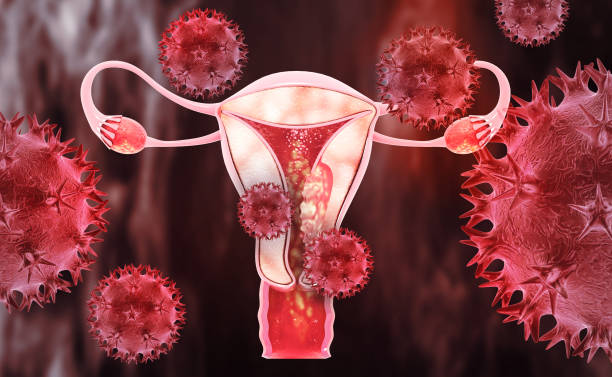
Best Educational Books to Deepen Your Knowledge About Endometriosis
They not only provide medical insights but also share patient experiences, treatment options, and coping strategies. Below is a curated list of some of the best educational books on endometriosis, along with an overview of their focus and key takeaways.
Recommended Books on Endometriosis
- Focus: This book emphasizes a holistic approach to managing endometriosis symptoms through expert advice and practical strategies.
- The importance of excision surgery as a long-term solution.
- Lifestyle changes for pain management, including diet and physical therapy.
- Understanding how hormonal treatments affect the body.
- Insights into alternative therapies such as acupuncture and herbal medicine.
- Focus: Written from a patient’s perspective, this book offers digestible information about managing life with endometriosis.
- Simplified explanations of complex medical terms related to the condition.
- Meal plans curated for reducing inflammation.
- Self-care routines tailored for individuals dealing with chronic pain.
- Focus: Authored by an experienced surgeon specializing in endometriosis treatment, this book highlights advanced surgical techniques alongside personal stories from patients.
- Key Takeaways:
- Detailed explanation of excision surgery as a gold standard treatment.
- Common diagnostic challenges faced by patients.
- Early warning signs that are often overlooked.
Topics Covered in These Books
| Topic | Relevant Books |
| Excision Surgery | Beating Endo; The Doctor Will See You Now |
| Holistic Pain Management | Beating Endo; Living Well with Endometriosis |
| Nutrition and Diet | Endo What? |
| Patient Experiences | The Doctor Will See You Now; Living Well with Endometriosis |
| Alternative Therapies | Living Well with Endometriosis |
Why Reading These Books Is Important
- Knowledge Empowers Decision-Making:Learning about available treatments equips patients to advocate effectively for appropriate care.
- Support Through Shared Experiences:Many books incorporate personal stories that offer validation and solidarity during difficult times.
- Access to Comprehensive Information:While healthcare providers play a crucial role in diagnosing and treating endometriosis, these resources complement consultations by providing deeper insights into the condition.
For anyone navigating an endometriosis diagnosis or simply looking to educate themselves further about this chronic condition, these books serve as excellent starting points.
Why Choosing the Right Approach is Crucial for Effective Endometriosis Management
Endometriosis is a complex and chronic condition that requires a tailored approach to management. Understanding why choosing the appropriate approach is essential involves considering several factors such as symptom severity, individual goals, and the expertise of the healthcare provider. Below we explore key elements that highlight the importance of selecting an effective management strategy.
Personalized Treatment Plans
Endometriosis manifests differently in every individual. Some may experience debilitating pain, while others might only discover their condition during fertility assessments. A one-size-fits-all approach does not work for this disease.
Factors influencing treatment decisions include:
– Severity of symptoms(e. g. , mild discomfort vs.
– Stage of endometriosis(minimal vs.
– Desire for pregnancy or family planning considerations
– Response to previous treatments
By tailoring the approach, healthcare providers can address unique needs and prioritize patient goals.
Comparing Surgical Options: Excision vs.
Surgical intervention is often necessary for moderate to severe cases or when other treatments fail. Two common procedures are excision surgery and laser ablation.
| Treatment Type | How It Works | Advantages | Limitations |
| Excision Surgery | Removes endometrial tissue entirely by cutting it out at its roots | Long-term relief; minimal recurrence rates | Requires skilled surgeon; longer recovery |
| Laser Ablation | Burns endometrial lesions on surface only | Shorter procedure; less invasive | High recurrence rates; incomplete lesion removal |
Excision surgery is widely regarded as the gold standard due to its effectiveness in removing deep-rooted tissue.
Risks of Delayed or Ineffective Treatments
Choosing an inappropriate or delayed management strategy can lead to:
– Progression of disease into advanced stages
– Formation of adhesions or scar tissue, complicating future treatment
– Increased risk of infertility due to damage in reproductive organs
– Deterioration in mental health caused by unmanaged pain
Opting for comprehensive care from experienced specialists minimizes these risks and ensures better outcomes.
The Role of Multidisciplinary Care
Endometriosis often affects multiple systems beyond gynecological health (such as digestive or urological systems). A multidisciplinary team—including gynecologists, surgeons, dietitians, physical therapists, and mental health professionals—plays a pivotal role in addressing all aspects of this condition effectively.
Empowering Patients Through Education
Patients who are well-informed about their condition are better equipped to make decisions about their care. Resources like books on endometriosis management or consultations with specialists can provide clarity on available options—a critical step toward selecting the most suitable approach.
Why Choosing the Right Approach is Crucial for Effective Endometriosis Management
Endometriosis is a chronic and often debilitating condition that affects millions of individuals worldwide. Understanding why choosing the right method matters can help patients make informed decisions in collaboration with their healthcare providers.
The Impact of an Individualized Treatment Plan
Endometriosis varies widely in its presentation, severity, and response to treatment. Factors such as the extent of lesions, coexisting conditions, age, and personal goals (e. g. , fertility preservation) all influence which approach might work best.
- Symptoms such as pain are addressed effectively.
- Long-term complications like organ damage or infertility are minimized.
- Unnecessary interventions or side effects from inappropriate treatments are avoided.
Comparing Common Treatment Approaches
To manage endometriosis effectively, it’s essential to weigh the pros and cons of various options.
| Treatment Option | Advantages | Disadvantages |
| Laser Ablation Surgery | Minimally invasive with shorter recovery times | May not remove deep or widespread lesions |
| Excision Surgery | Considered the gold standard for long-term relief | More invasive; requires advanced expertise |
Medications such as hormonal therapies can also be used alongside surgical options but may only provide temporary relief without addressing underlying lesions.
Risks of Choosing Ineffective Treatments
- Persistent pain and other debilitating symptoms despite intervention.
- Recurring surgeries due to incomplete lesion removal (common with laser ablation).
- Emotional and financial burdens from ongoing treatments without significant improvement.
Patients should ensure they have access to specialists trained in advanced techniques like excision surgery, which has been consistently shown to provide better outcomes for long-term symptom relief.
Questions to Ask Before Deciding on Treatment
- What outcomes can I expect from this treatment?
- How experienced is the surgeon with this specific technique?
- Will this method address deep infiltrating endometriosis or associated complications?
- What follow-up plan will be in place after surgery?
Advocacy for Multidisciplinary Care
Managing endometriosis often requires a team approach involving gynecologists, surgeons, pain management specialists, nutritionists, physical therapists, and mental health professionals. A multidisciplinary care model enhances treatment success by addressing both physical symptoms and emotional well-being holistically.
- Understanding How Washington Endometriosis Specialists Perform Excision Surgery
- How an Endometriosis Specialist Washington DC Can Address Pelvic Floor Muscle Issues
- What to Expect and Recovering from Endometriosis Surgery in Washington DC
- Endometriosis Specialist Washington DC: Laser Ablation vs. Excision
- Excision vs Ablation: Understanding the Key Differences for Treating Washington Endometriosis
- Expert Endometriosis Doctor in Washington DC: Laparoscopy, Recovery, Risks, and More